Upcoming
Bologna Children’s Book Fair
Translation Market Dynamics Across Europe and the Evolving Role of Publishing and AI
Panel at BBPLUS stage
15. 04. 2026, 10:45 – 11:30
This panel marks the launch of Books in Translation: Trends and Transformations in the European Translation Market, bringing together its co-authors Miha Kovač, Rüdiger Wischenbart, Yana Genova and Anja Kamenarič, moderated by Emma House. The discussion will highlight key findings from the report, including contrasting trends in translation markets across Europe, the growing impact of English-language reading on local translation ecosystems, the challenges of collecting reliable translation data, and the role of public funding in sustaining diversity in translated publishing. Together, the panel will explore what these developments mean for the future of translation, publishing policy, and European book markets.
By the Book 11, Academic Conference
From Fan Art to Book Marketing: Harnessing Fandom Creativity
Presentation at Johannes Gutenberg University Mainz
24. 06. 2026, time TBD
This presentation explores how participatory culture is reshaping contemporary publishing by turning readers into active creators. Focusing on fan-generated content, such as fan art, fiction, and digital media, it examines how publishers incorporate these practices into marketing strategies to drive audience engagement. Drawing on qualitative analysis of publisher campaigns and fan works, the paper identifies key patterns in how different genres, formats, and platforms influence the use and success of fandom-based marketing. It also considers the impact of generative AI on questions of authorship, authenticity, and community.
Past
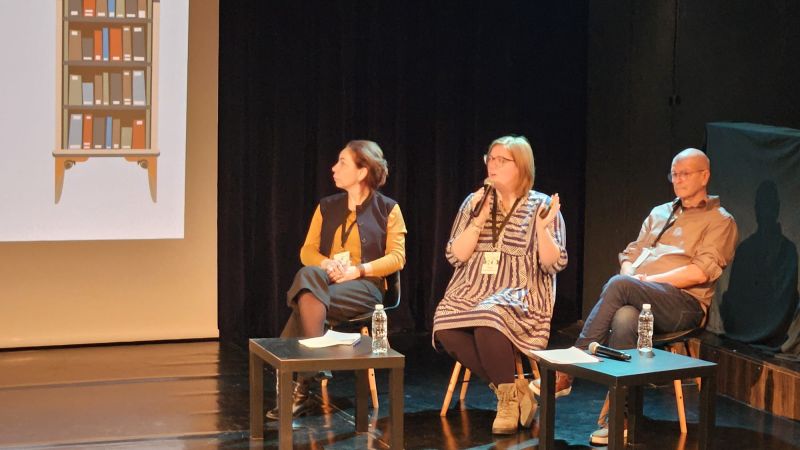
Thinking Literature in Translation. A ThinkPub Conference
A Snapshot of the European Translation Market. Trends, Developments and Challenges
Presentation at Alma Alter Hall, Sofia University, Bulgaria
13. 11. 2025, 10:00
The opening session of the Thinking Literature in Translation conference organized by Next Page provided a concise overview of current trends, challenges, and structural dynamics in the European translation market, closely aligned with the findings of the ThinkPub Translation Report. Speakers Anja Kamenarič, Miha Kovač, and Yana Genova highlighted the continued dependency of smaller markets on translations, the dominance of English as a source language, and the persistent imbalance in cross-European literary exchange, while also addressing emerging factors such as digital platforms, social media influence, and AI. Framed within the broader conference theme of literary export and market access, the discussion emphasized the importance of funding schemes, international visibility, and professional networks in shaping translation flows, positioning translation as both a cultural and economic driver in contemporary European publishing.
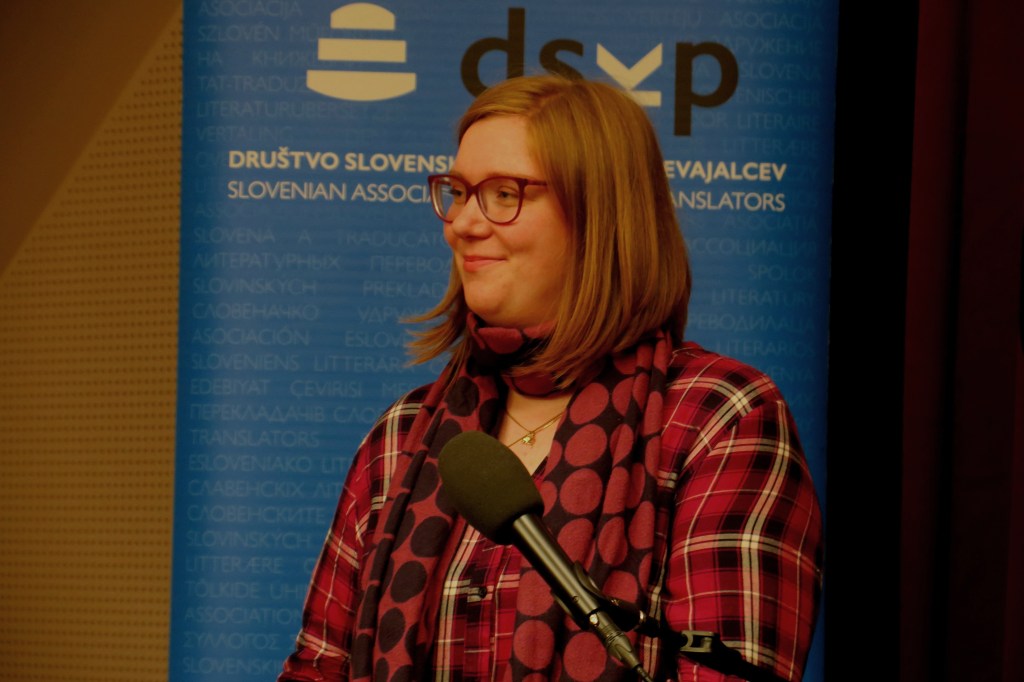
International Challenges of Authorship and Copyright in the Era of AI, International Translation Symposium of the Slovenian Association of Literary Translators (DSKP)
Smart translation or deception? What publishers think about AI
Presentation at Vodnik Homestead Šiška, Slovenija
24. 10. 2025, 15:20
AI tools such as ChatGPT and DeepL have quickly established themselves as a shortcut for preparing sample translations, which are crucial for selling copyrights. But how do those who decide on book purchases and publications feel about this? In what ways are publishers
already using AI in their work? An international survey of 250 publishing professionals offers insight into the opinions of editors, copyright sales and acquisition professionals, and publishing executives on the use of AI, with a focus on the acceptability of using AI for
literary translation. The presentation showed in which types of translations publishing experts see room for the use of AI and where the line is strictly drawn. The presentation offered insights into the current state of the international publishing market, provided an overview
of opinions from the field, and encouraged discussion on how translators can actively shape the future of their profession.
Frankfurt Book Fair
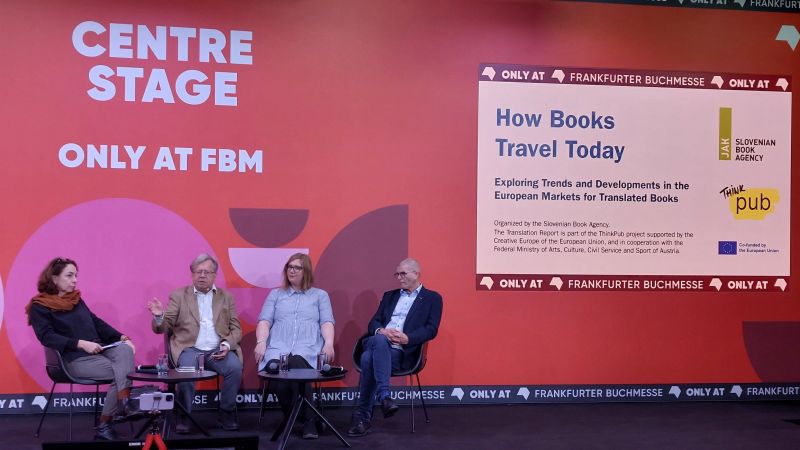
How Books Travel Today. Exploring Trends and Developments in the European Markets for Translated Books.
Centre Stage (Hall 4.1, B68), Frankfurt, Germany
16. 10. 2025, 13:00
How have literary translations in Europe changed over the last decade? How has the ongoing transformation of the book industry impacted translations? The forthcoming Books in Translation will uniquely compile a wide range of historical and current data from large and small markets across Europe, providing a comprehensive overview of this highly relevant cultural industry.
dr. Miha Kovač and Anja Kamenarič from Faculty of Arts, University of Ljubljana, Rüdiger Wischenbart, consultant and analyst spoke with moderator Yana Genova, cultural consultant and researcher about the continued dependency of smaller markets on translations, the dominance of English as a source language, and the persistent imbalance in cross-European literary exchange, while also addressing emerging factors such as digital platforms, social media influence, and AI.
Organised by the Slovenian Book Agency in cooperation with ThinkPub/Creative Europe and the Federal Ministry of Arts, Culture, Civil Service and Sport of Austria.
Innovations in Publishing – 2025 Symposium,
Organized by the Innovations in Publishing Research Hub at London College of Communication, UAL
From Story to Experience: How AI is Transforming Reading and Book Promotion
Online presentation for IPRH at London College of Communication, University of the Arts London
16. 09. 2025, 11:40
I was invited to speak at the online symposium based on my By the Book 10 presentation, where I presented an adapted version of my research on the use of AI in publishing and reader engagement. The talk explored how AI tools can enrich reading experiences and support book promotion in an increasingly competitive digital environment, highlighting applications such as character chatbots, AI-generated soundscapes, interactive storytelling, and gamification. It also provided practical insights into how publishers can use these tools to attract audiences, foster deeper engagement, and promote new titles. In addition, the presentation addressed current limitations, including accessibility and the need to balance technological innovation with creative integrity, while outlining the growing impact of AI on the future of publishing.
University of Warsaw
Current Issues in Publishing Studies
International Summer School
15. 09. – 19. 09. 2025
I attended the Current Issues in Publishing Studies International Summer School at the University of Warsaw, an intensive programme designed for doctoral students and early-career researchers in publishing studies. The summer school brought together international scholars and participants to explore key contemporary debates in the field, including digital transformation, AI in publishing, social media influence, and questions of diversity and sustainability. It provided a valuable opportunity to deepen my understanding of the publishing ecosystem, receive feedback on research, and engage in interdisciplinary discussions on the evolving role of publishing in cultural and academic contexts.
By the Book 10, Academic Conference
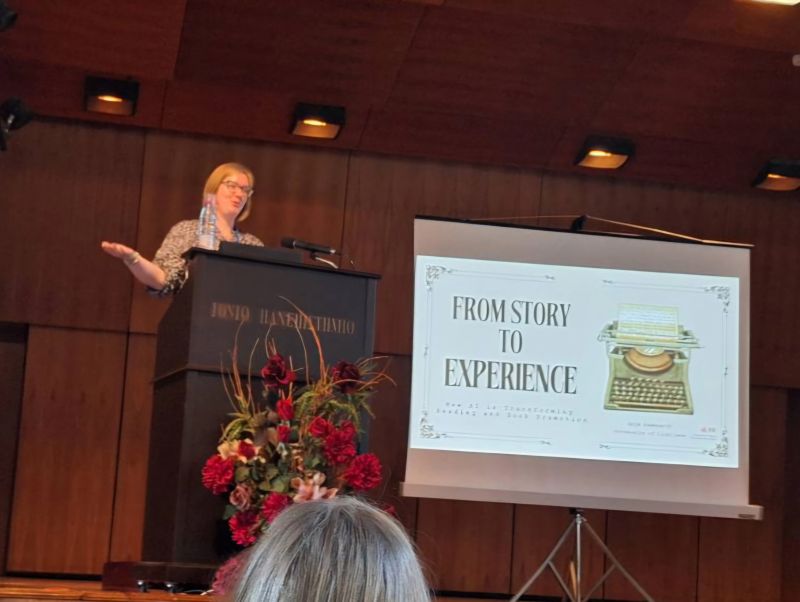
From Story to Experience: How AI is Transforming Reading and Book Promotion
Presentation at Ionian University, Corfu, Greece
25. 06. 2025, 11:20
This presentation explored how AI tools can enhance reading experiences and support book promotion in an increasingly competitive digital landscape. It highlighted applications such as character chatbots, AI-generated soundtracks, interactive storytelling, and gamification, demonstrating their potential to make reading more engaging, immersive, and socially interactive. The presentation also offered practical examples of how publishers can use these tools to build audiences, deepen reader engagement, and promote new titles, emphasizing AI’s growing role in expanding the reach and appeal of literature. It further discussed current limitations and challenges, including technological accessibility and the balance between automation and creativity. Overall, it positioned AI as a rapidly evolving toolset with significant implications for the future of publishing and reader engagement.
 Anja Kamenarič